You don’t have to acquire a taste for olive
oil, seaweed or soya to maintain a low-fat, healthy diet. Indian
cuisine can be healthy too, if it’s cooked with oil and ingredients that
take care of your heart and health.
oil, seaweed or soya to maintain a low-fat, healthy diet. Indian
cuisine can be healthy too, if it’s cooked with oil and ingredients that
take care of your heart and health.
Ayurveda suggests you include all tastes — sweet, sour, salty, pungent,
bitter and astringent — in at least one meal each day, to help balance
unnatural cravings. Here are 12 foods that can help you lose weight and
gain health:
Turmeric
: Curcumin, the active component of turmeric, is an object of research
owing to its properties that suggest they may help to turn off certain
genes that cause scarring and enlargement of the heart. Regular intake
may help reduce low-density lipoprotein (LDL) or bad cholesterol and high
blood pressure, increase blood circulation and prevent blood clotting,
helping to prevent heart attack.
bitter and astringent — in at least one meal each day, to help balance
unnatural cravings. Here are 12 foods that can help you lose weight and
gain health:
Turmeric
: Curcumin, the active component of turmeric, is an object of research
owing to its properties that suggest they may help to turn off certain
genes that cause scarring and enlargement of the heart. Regular intake
may help reduce low-density lipoprotein (LDL) or bad cholesterol and high
blood pressure, increase blood circulation and prevent blood clotting,
helping to prevent heart attack.
Cardamom : This is a thermogenic herb that increases metabolism and
helps burn body fat. Cardamom is considered one of the best digestive aids
and is believed to soothe the digestive system and help the body process
other foods more efficiently.
helps burn body fat. Cardamom is considered one of the best digestive aids
and is believed to soothe the digestive system and help the body process
other foods more efficiently.
Chillies : Foods containing chillies are said to be as foods that burn
fat. Chillies contain capsaicin that helps in increasing the metabolism.
Capsaicin is a thermogenic food, so it causes the body to burn calories
for 20 minutes after you eat the chillies.
fat. Chillies contain capsaicin that helps in increasing the metabolism.
Capsaicin is a thermogenic food, so it causes the body to burn calories
for 20 minutes after you eat the chillies.
Curry leaves : Incorporating curry leaves into your daily diet can
help you lose weight. These leaves flush out fat
and toxins, reducing fat deposits that are stored in the body, as well
as reducing bad cholesterol levels. If you are overweight, incorporate
eight to 10 curry leaves into your diet daily. Chop them finely and mix
them into a drink, or sprinkle them over a meal.
Garlic
: An effective fat-burning food, garlic contains the sulphur compound allicin
which has anti-bacterial effects and helps reduce cholesterol and unhealthy
fats.
help you lose weight. These leaves flush out fat
and toxins, reducing fat deposits that are stored in the body, as well
as reducing bad cholesterol levels. If you are overweight, incorporate
eight to 10 curry leaves into your diet daily. Chop them finely and mix
them into a drink, or sprinkle them over a meal.
Garlic
: An effective fat-burning food, garlic contains the sulphur compound allicin
which has anti-bacterial effects and helps reduce cholesterol and unhealthy
fats.
Mustard oil : This has low saturated fat compared to other cooking
oils. It has fatty acid, oleic acid, erucic acid and linoleic acid. It
contains antioxidants, essential vitamins and reduces cholesterol, which
is good for the heart.
oils. It has fatty acid, oleic acid, erucic acid and linoleic acid. It
contains antioxidants, essential vitamins and reduces cholesterol, which
is good for the heart.
Cabbage : Raw or cooked cabbage inhibits the conversion of sugar and
other carbohydrates into fat. Hence, it is of great value in weight reduction.
other carbohydrates into fat. Hence, it is of great value in weight reduction.
Moong dal : The bean sprouts are rich in Vitamin A, B, C and E and
many minerals, such as calcium, iron and potassium. It is recommended as
a food
replacement in many slimming programmes, as it has a very low fat content.
It is a rich source of protein and fibre, which helps lower blood cholesterol
level. The high fibre content yields complex carbohydrates, which aid digestion,
are effective in stabilising blood sugar and prevent its rapid rise after
meal consumption.
many minerals, such as calcium, iron and potassium. It is recommended as
a food
replacement in many slimming programmes, as it has a very low fat content.
It is a rich source of protein and fibre, which helps lower blood cholesterol
level. The high fibre content yields complex carbohydrates, which aid digestion,
are effective in stabilising blood sugar and prevent its rapid rise after
meal consumption.
Honey : It is a home remedy for obesity. It mobilises the extra fat
deposits in the body allowing it to be utilised as energy for normal functions.
One should start with about 10 grams or a tablespoon, taken with hot water
early in the morning.
deposits in the body allowing it to be utilised as energy for normal functions.
One should start with about 10 grams or a tablespoon, taken with hot water
early in the morning.
Buttermilk : It is the somewhat sour, residual fluid that is left after
butter is churned. The probiotic food contains just 2.2 grams of fat and
about 99 calories, as compared to whole milk that contains 8.9 grams fat
and 157 calories. Regular intake provides the body with all essential nutrients
and does not add fats and calories to the body. It is thus helpful in weight
loss.
butter is churned. The probiotic food contains just 2.2 grams of fat and
about 99 calories, as compared to whole milk that contains 8.9 grams fat
and 157 calories. Regular intake provides the body with all essential nutrients
and does not add fats and calories to the body. It is thus helpful in weight
loss.
Millets : Fibre-rich foods such as millets - jowar, bajra, ragi, etc
- absorb cholesterol and help increase the secretion of the bile that emulsifies
fats.
Cinnamon and cloves: Used extensively in Indian cooking, the spices have
been found to improve the function of insulin and to lower glucose, total
cholesterol, LDL and triglycerides in people with type 2 diabetes.
- absorb cholesterol and help increase the secretion of the bile that emulsifies
fats.
Cinnamon and cloves: Used extensively in Indian cooking, the spices have
been found to improve the function of insulin and to lower glucose, total
cholesterol, LDL and triglycerides in people with type 2 diabetes.

.png) పూజించాలి.
పూజించాలి. వేటగాడు అమితాశ్చర్యంతో అదంతా విని అందుకు సరేనన్నాడు.
 వచ్చినా మృగాలను చంపలేదు. నిన్ను సశరీరంగా స్వర్గానికి తీసికెళ్ళేందుకే వచ్చాం..'' అన్నారు.
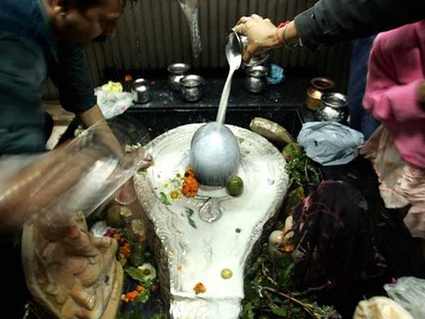
.png) కృష్ణ చతుర్దశి మాస శివరాత్రి కాగా మాఘమాసంలో వచ్చే శివరాత్రి మహాశివరాత్రి. మాస శివరాత్రి దినాల్లోనూ శివునికి ప్రత్యేక పూజలు, ప్రార్థనలు చేసినప్పటికీ మహా శివరాత్రి మరింత విశిష్టమైంది, ఆరాధనీయమైంది. మహాశివుడు సాకారమైన మూర్తిగానూ, నిరాకారమైన లింగంగానూ పూజలు అందుకుంటాడు. మహాశివరాత్రిని పురస్కరించుకుని ఏటా హిమాచల్ ప్రదేశ్, మండిలో వారం రోజులపాటు ''International Mandi Shivratri Fair'' నిర్వహిస్తారు. దేశం నలుమూలల నుండి భక్తులు ఈ ఉత్సవానికి తరలివస్తారు.
కృష్ణ చతుర్దశి మాస శివరాత్రి కాగా మాఘమాసంలో వచ్చే శివరాత్రి మహాశివరాత్రి. మాస శివరాత్రి దినాల్లోనూ శివునికి ప్రత్యేక పూజలు, ప్రార్థనలు చేసినప్పటికీ మహా శివరాత్రి మరింత విశిష్టమైంది, ఆరాధనీయమైంది. మహాశివుడు సాకారమైన మూర్తిగానూ, నిరాకారమైన లింగంగానూ పూజలు అందుకుంటాడు. మహాశివరాత్రిని పురస్కరించుకుని ఏటా హిమాచల్ ప్రదేశ్, మండిలో వారం రోజులపాటు ''International Mandi Shivratri Fair'' నిర్వహిస్తారు. దేశం నలుమూలల నుండి భక్తులు ఈ ఉత్సవానికి తరలివస్తారు. బ్రాహ్మణ కుటుంబంలో పుట్టిన గుణనిధికి ఏ ఆచారాలూ పట్టవు. దుర్గుణాలన్నీ అలవరచు కుంటాడు. అన్ని విధాలుగా పతనమైన అతను మహా శివరాత్రి నాడు కావాలని కాకున్నా, అన్నం దొరక్క ఉపవాసం ఉంటాడు. ప్రసాదం దొరుకుతుందనే ఆశతో దేవాలయానికి వెళ్తాడు. చీకటిలో కనిపించక అవసరం కోసం దీపం వెలిగిస్తాడు. జాగారంలో తూగుతున్న భక్తుల అలికిడికి భయపడి పారిపోబోయి అనుకోకుండా శివ సన్నిధిలో ప్రాణాలు విడుస్తాడు. ఆవిధంగా ముక్తి పొందుతాడు. అదీ సంగతి. శివరాత్రి మహత్యం అంతటిది.